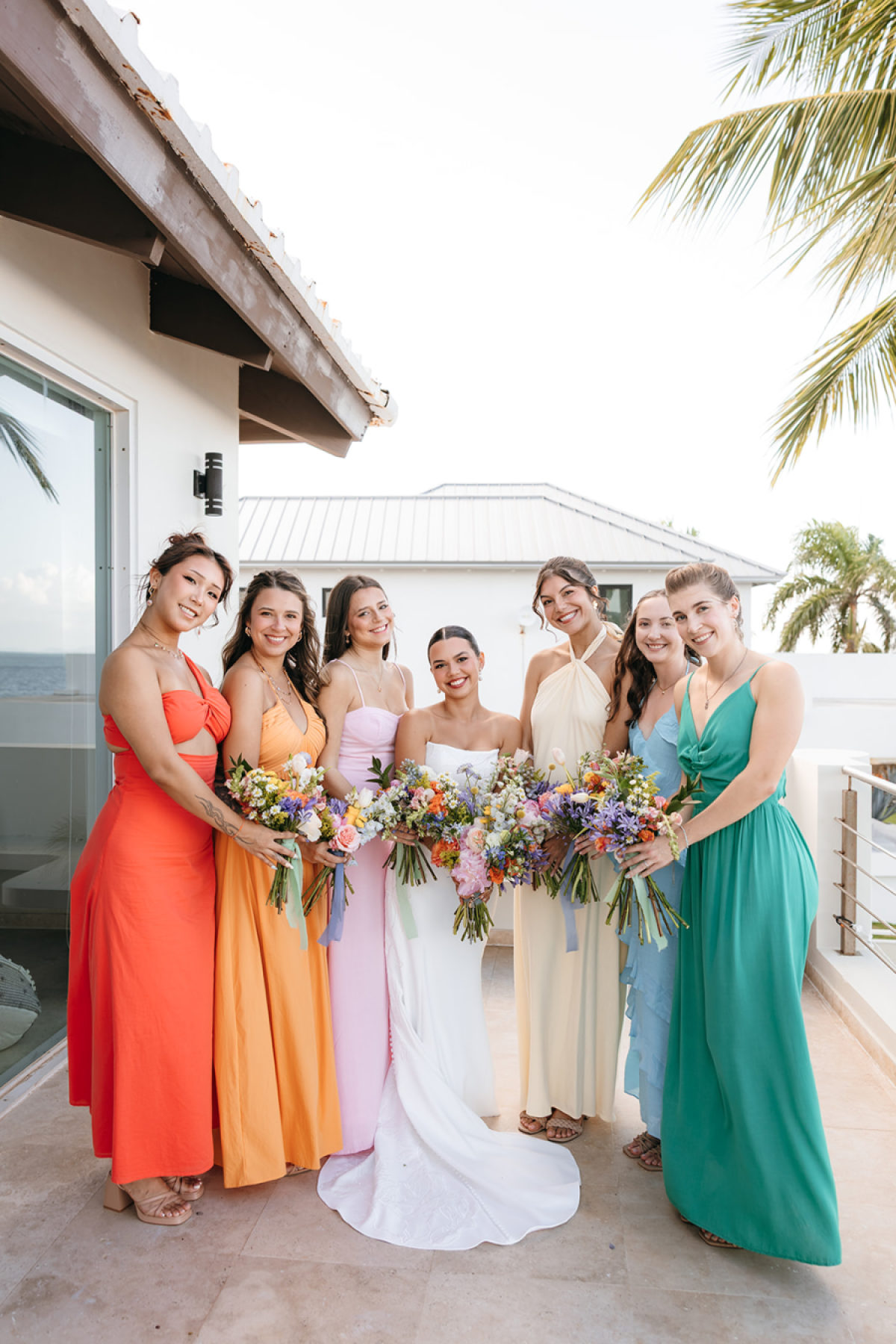
Stepping into a season of life where you are planning a wedding while simultaneously trying to buy a home can feel like attempting to juggle two giant, expensive bowling balls at once. Both milestones represent huge emotional commitments, fresh starts, and incredible excitement. Yet, they also happen to be two of the largest financial commitments you will likely make in your young adult life.
When you start talking about guest lists, catering packages, down payments, and closing costs in the very same breath, stress levels can soar. It is completely normal to feel overwhelmed when every decision comes with a price tag attached. However, with clear communication, realistic expectations, and smart financial planning, you do not have to choose between saying “I do” and unlocking the front door to your new house. You can navigate both goals without draining your sanity or your savings.
Here is how you can balance these two major financial life events at the same time.
1. Have the Honest Financial Conversation First
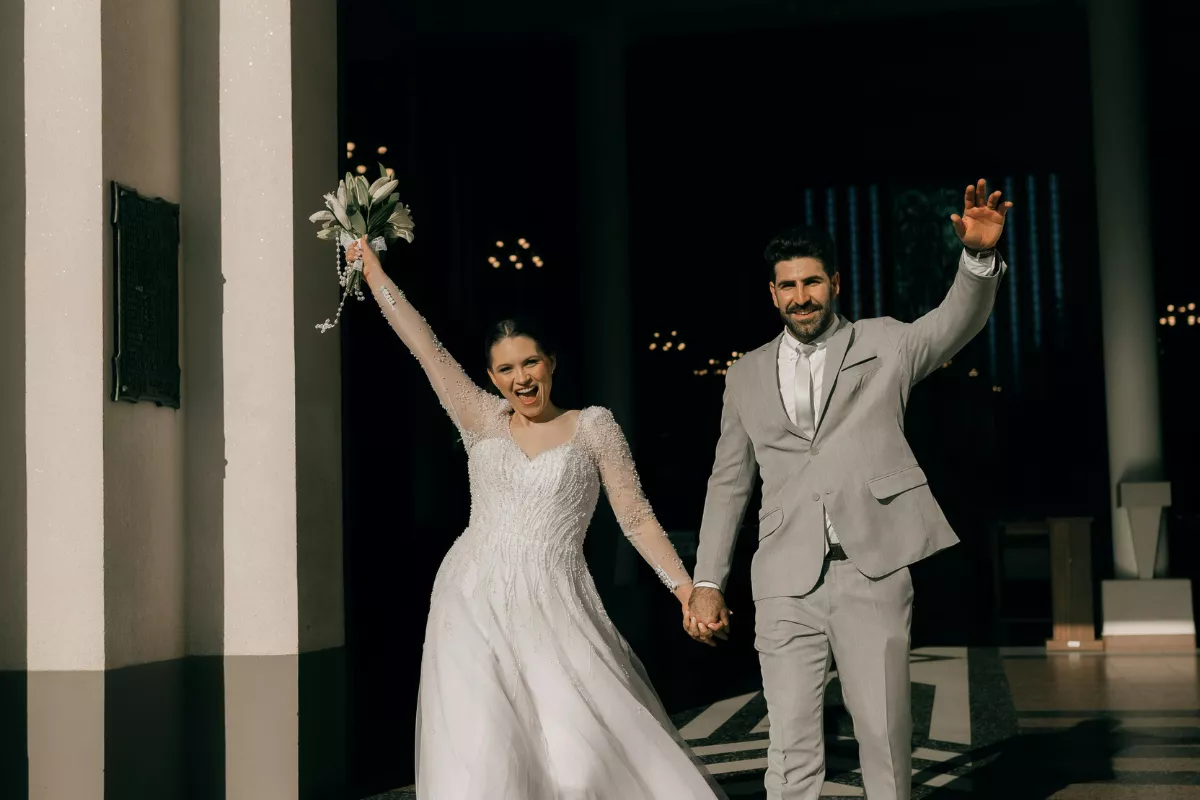
Before you look at a single wedding venue or tour a single house, you and your partner need to sit down for a transparent financial audit. This means laying all the cards on the table. You should discuss your current savings, monthly income, existing debts, credit scores, and monthly expenses.
It is crucial to get crystal clear on your total available cash reserve. How much money do you currently have saved? How much of that savings must remain untouched as an emergency cushion? Once you set aside an emergency fund, whatever remains is your working capital for both the wedding and the home purchase.
During this conversation, share your individual expectations. Does one of you prioritize a bigger event with all your extended family, while the other dreams of a cozy backyard with a large down payment fund? Finding common ground early prevents resentment down the road.
2. Decide Which Milestone Takes Priority
While it is possible to work toward both goals at once, one usually needs to take the primary slot. Deciding on your primary focus helps clarify where the bulk of your savings and energy will flow first.
If your wedding date is already set and non-negotiable, the event naturally becomes your immediate priority. In this scenario, your home buying search might need a wider timeline, allowing you to save for a down payment gradually after the wedding expenses settle.
On the other hand, if your current lease is expiring or you find an incredible opportunity in the real estate market, buying a home might take precedence. You might decide to keep the wedding smaller or push the date back a bit so you can dedicate your immediate cash flow toward mortgage approval, appraisal fees, and home maintenance reserves.
3. Create Two Separate Budgets
Mixing wedding funds with house funds in a single bank account is a recipe for confusion. It is far too easy to accidentally spend money meant for earnest deposits on a wedding photographer, or vice versa.
Set up dedicated high-yield savings accounts for each goal. Label one “The Wedding Fund” and the other “The Home Fund.” Allocate a set amount from each paycheck into these respective accounts.
When creating your wedding budget, include every detail: venue, catering, attire, flowers, photography, and small miscellaneous fees. For your home purchase budget, remember that you need more than just the down payment. You will also need funds for closing costs, moving expenses, home inspections, and immediate repairs. Keeping these savings buckets strictly separated keeps your financial boundaries clear.
4. Explore Creative Financial Options and Resources
When cash needs to stretch across two massive projects, you need to look at all available tools and financial products.
For the home buying aspect, research different mortgage options. You do not always need a twenty percent down payment to buy a home; many conventional loans allow for much lower down payment percentages, and government-backed options can offer low down payment requirements for qualified buyers. Furthermore, if you already own residential property or have built equity in a starter home, you might look into leveraging that existing value. Some homeowners choose to apply for a home equity loan to consolidate higher-interest debts or help finance significant upcoming life investments, giving them predictable monthly payments and manageable terms.
For the wedding, look for ways to optimize costs without sacrificing the experience. Consider hosting the event on a Friday or Sunday, choosing an off-peak season, or opting for a cocktail-style reception instead of a sit-down dinner.
5. Cut Back on Non-Essential Expenses (Temporarily)
Balancing two huge savings targets usually requires a temporary lifestyle audit. Sit down together and evaluate your discretionary spending over the last three to six months. Look at subscription services, dining out, weekend trips, and daily small luxuries.
You do not need to live in complete deprivation, but temporary sacrifices can yield significant results. Redirecting funds from dining out toward your home deposit can add up surprisingly fast over a six-month period. Remind yourselves that these lifestyle adjustments are temporary. Every dollar you save today brings you closer to your new home and your dream wedding day.
6. Keep Communication Open and Protect Your Relationship
Financial stress is one of the most common sources of friction for couples. Planning a wedding and buying a home simultaneously ramps up that pressure significantly.
Establish regular financial check-ins—perhaps once a week or every two weeks—to review your progress, check your account balances, and discuss upcoming expenses. Keep these check-ins calm, constructive, and focused on your shared vision for the future.
Most importantly, remember why you are doing this in the first place. These milestones are stepping stones to building a life together. Do not let the logistics and numbers overshadow the joy of the journey. Celebrate small milestones along the way, whether it is reaching a savings target or finalizing a guest list.
This is a partner post.